
Danvers Previous Residents Sources
Address-history research needs an era-by-era source choice. A modern assessor card can supply the parcel, situs address, owner display, sale information, and Registry book or page reference. The Essex South Registry of Deeds then provides recorded-land metadata and images, with older indexes arranged in separate date ranges. Historical sources take over when the question becomes who appeared at an address in a past year instead of who was a party to a recorded instrument.
| Source | Years It Covers | Where Held | What It Shows |
|---|---|---|---|
| Recorded-land images | Book 1/Page 1 dated 1640 through present | Essex South Registry | Deed images, legal descriptions, and named parties |
| Registry main index | January 2, 1951 through present | Essex South Registry | Searchable instrument metadata; earlier ranges are separate |
| Registry street search | May 31, 1899 through present | Essex South Registry | Address-keyed deed and conveyance leads |
| Danvers street lists | 1938, 1959, 1966, 1975, 1982, 1992 | Danvers Archival Center | Dated address-to-person civic lists |
| Danvers directories | 1873 through 1983, with gaps and marked years | State Library and regional collections | Printed names, addresses, street guides, and notation |
| Sanborn maps and newspapers | Maps 1887-1961; newspaper runs vary by title | State Library and local archive | Building context, notices, obituaries, and date clues |
| Federal census | Public through 1950 under the 72-year rule | Federal census access and libraries | Household and enumeration context, not a current roster |
The Registry's main index start is an index-organization cutoff, not the beginning of land history. Images reach much earlier and browse routes cover 1640-1799, 1800-1854, 1855-1950, 1951-1963, and 1964-1978. When an address search gives no plausible earlier deed, move to the older index pages or the Registry's in-person written-book and microfilm route rather than assuming the chain ends.
Danvers Previous Residents Deed Chain
The deed chain is a backwards property trail, not an automatic list of past residents. Begin with the Danvers Patriot Properties card for the current parcel and preserve the situs address, parcel identifier, displayed owner, sale details, and book or page. A mailing address is assessment correspondence, while the situs address is the property location. Neither one proves who was physically present at the property.
See the Registry's recorded-land search for name, date, book and page, instrument, and older-index routes for the next document.
Book and page, legal description, and instrument data provide a steadier bridge than a street number when lots are subdivided or address forms change.
- Search the current parcel in Patriot Properties and record the book or page and any sale date shown.
- Use the Registry address search or book and page route, setting Danvers, a broad date range, and plausible document types.
- Open the matched deed and transcribe the grantor, grantee, recording date, legal description, instrument number, and any cited prior deed.
- Search the seller as a grantee to locate that person's earlier purchase, then repeat with spelling variants and older street forms.
- Use plans, atlases, map-lot references, or older Registry browse ranges when the online main index does not resolve the prior transfer.
- Grantor and grantee
- The grantor transfers an interest in the instrument; the grantee receives it. Either role can be a person, trust, estate, or organization.
- Chain of title
- A sequence of recorded transfers followed backward from a known deed. It needs document-by-document verification.
- Legal description
- The deed's formal parcel description, often using plans, bounds, or lots. It is usually a stronger historical bridge than a street number.
Note: A Registry index and an assessment card are research leads; consult the recorded documents for any formal title conclusion.
Danvers Address History Maps
Sanborn maps add the physical layer to a previous residents trail. The State Library's Danvers list identifies maps from 1887, 1892, 1897, 1903, 1909, 1916, 1927, 1927-48, and 1961. A map can show building footprint, use, street context, and change over time. It cannot name the people in a household, but it helps test whether a directory address and a deed description still refer to the same place.
Use the State Library Sanborn list beside the parcel reference. Compare a map edition with a directory entry and the next recorded deed. If the footprint, lot, or surrounding street sequence changes, retain that conflict in the notes instead of forcing a match. Sanborn sheets show fire-insurance context, not a roster of occupants.
Danvers Historic Street Lists
The Danvers Archival Center report identifies Street Lists of Persons for 1938, 1959, 1966, 1975, 1982, and 1992, as well as valuation lists for 1875, 1941, 1950, and 1952. These are unusually useful because they bring an address-first question closer to a person-and-date answer. Record the source title and page with the address. A street list can support historical address evidence but should not be restated as a modern resident finding.
The Archival Center also holds local photographs, house records, annual reports from 1845, school reports from 1839, street poll lists from 1890, manuscript vital records, and organization collections. House-history help is distributed across those materials rather than packaged as one official workbook. A focused inquiry with the street number, approximate build period, and desired source type is the practical route.
Note: No complete public Danvers permit-by-address history or dedicated house-history worksheet was located in the official research.
Previous Residents Through Directories
Past households require a different trail from property ownership. State Library holdings list Danvers directories beginning in 1873 and continuing through varied runs into 1983. A directory usually works from name to address, while a street guide or selected street list may work in the other direction. The historical volumes are described in greater depth on the Danvers city directory page; use them here as dated evidence to pair with an address and parcel trail.
- Start with a documented address form and choose the closest available directory or street-list year.
- Capture the name, initials, printed address, spouse or widow notation, occupation shorthand, and page number exactly.
- Check the street or house section for number sequence, neighboring entries, and cross-references, if the volume has one.
- Compare nearby directory years, then use the nearest available federal census through 1950 for a second dated household source.
- Test a move or disappearance with a newspaper notice, valuation list, map, deed, probate clue, or cemetery record.
A true criss-cross directory reverses the normal name-to-address order, but no separately titled Danvers run was confirmed in the official sources. Ask the Archivist whether a chosen volume has a street guide or address-first index before treating an alphabetic book as one.
Danvers Newspaper Records Trail
The Danvers Community History archive is a useful next step when a directory line disappears or an address needs context. Its indexed collections include the Danvers Herald from 1920-2004, Danvers Mirror from 1882-1920, South Danvers Wizard from 1860-1868, Danvers Courier from 1845-1849, and Heritage yearbooks from 1960-2018. Search a surname with a street, spouse or parent name, institution, cemetery, and approximate year.
The archive's people, places, and events approach can surface a promising result, but OCR is only a lead. Inspect the scanned page and surrounding column, then record the title, issue date, page, and original spelling. A death notice can point to survivors or a last address, yet it is not a certified vital record. A standalone official Danvers obituary index and a complete funeral-home archive were not located.
Danvers Cemetery Records Trail
Walnut Grove Cemetery's genealogy resources offer another historical endpoint. The cemetery has served Danvers since 1843 and describes digitized records spanning more than 160 years, a Grave Locator, and Civil War ancestor searches. Pair a cemetery result with an obituary, directory date, probate clue, or deed rather than reading burial location as a last residence.
See Walnut Grove's online genealogy material for the local cemetery branch of an address-history search.
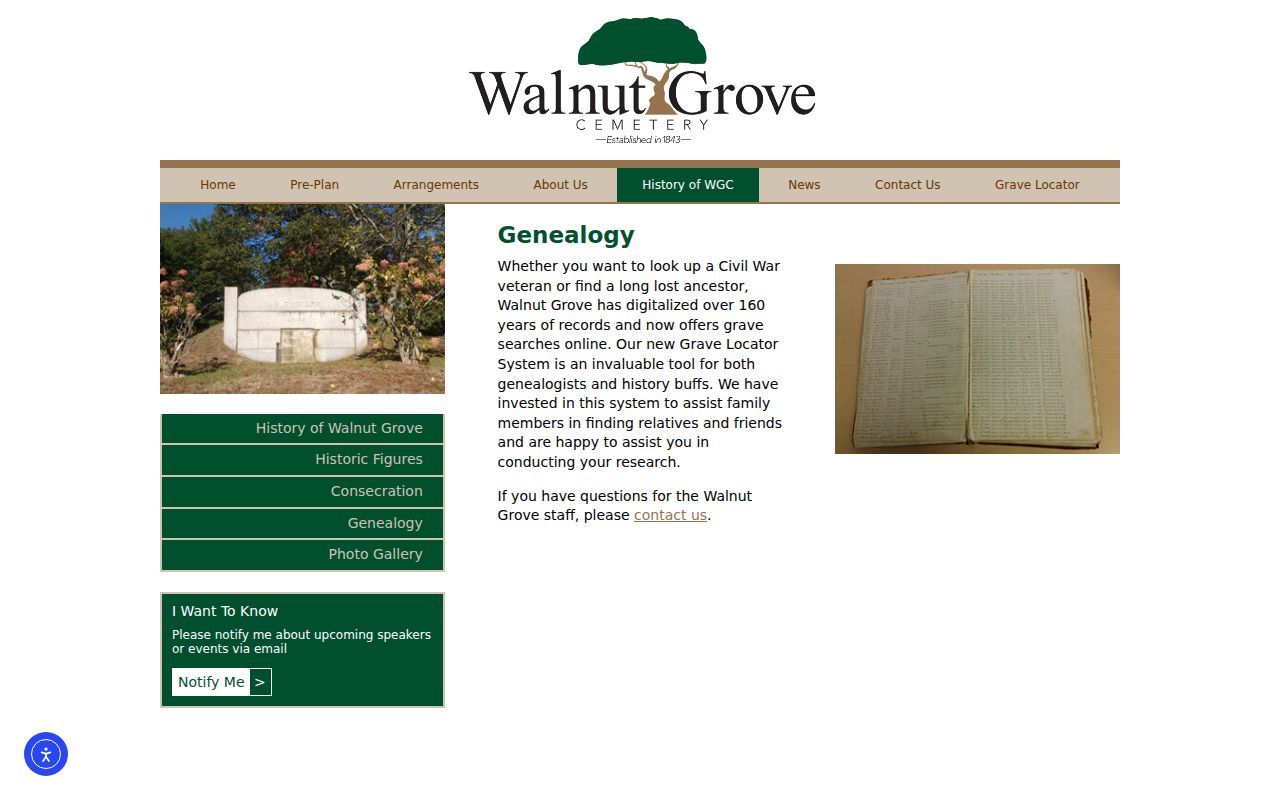
A grave record can establish commemoration or burial and can help distinguish two same-name people, but it does not by itself establish where a person lived at death.
Danvers Historic Place Records
Old place names can break an otherwise careful address search. Settlement dates to the 1630s; Salem Village became a separate parish in 1672, the Middle Precinct later associated with Peabody became a parish in 1711, Danvers District formed in 1752, and the town followed in 1757. Peabody separated in 1855 and took its current name in 1868. A historical reference to Salem Village, South Danvers, Danvers District, Danvers, or Peabody needs its date and jurisdiction preserved.
Address continuity has other traps. A number can change, a street can take a new form, a lot can be subdivided, or an old number can be reused. No official Danvers street-renumbering or renaming project date was located. Bridge an uncertain address with legal description, parcel or map-lot, plan, nearby institutions, directory neighbors, map footprint, and grantor or grantee rather than guessing.
The 1890 library fire, followed by a 1892 replacement building and a later Archival Center, also helps explain why local history may be divided among library, municipal, church, private, and family collections. The complete list of material lost in the fire was not located.
Danvers Previous Residents Limits
Keep the record roles separate. An assessor display is not a title opinion. A recorded deed identifies legal parties, not every household member. A directory or street list identifies what a dated publication or civic list reported. A federal census is historical and public only through 1950. A non-match can arise from an index gap, OCR error, changed jurisdiction, variant name, protected file, or an address change that needs more than one bridge.
Lawful use. Use Danvers address-history research for house history, family history, heirs, and personal curiosity. Massachusetts law prohibits stalking and harassment; never use historical material to track, threaten, or harm a living person.
When the evidence conflicts, retain the uncertainty and return to the custodian. The Archivist can help identify the right historical source; the Registry can help locate a document; and the Town can receive a defined public-records request. A careful unresolved result is better than an invented connection.